Security Protocols Shaping Redemption Rates for Introductory Perks in Regulated Smartphone Platforms
Eden Keller · Sep 30, 2026

Security Protocols Shaping Redemption Rates for Introductory Perks in Regulated Smartphone Platforms
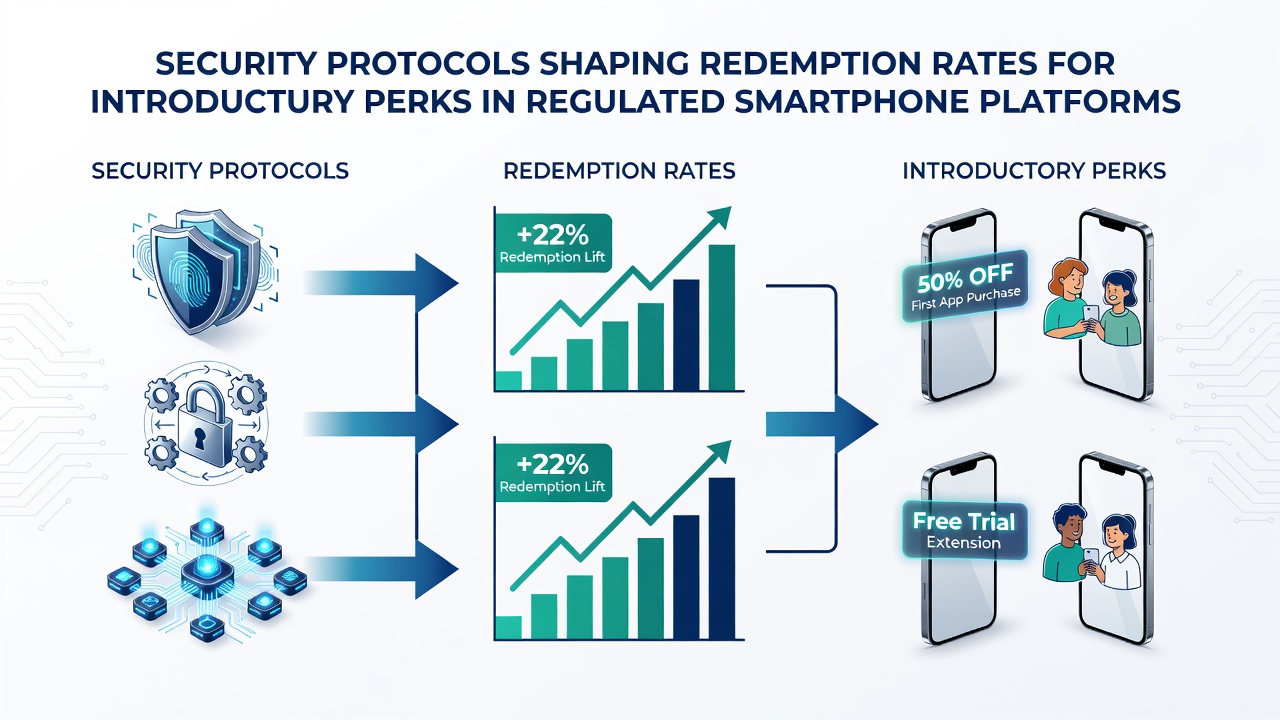
Security protocols in regulated smartphone platforms determine how introductory perks reach users through layered authentication steps that filter transactions before any bonus activates, and data from multiple jurisdictions shows these measures directly correlate with redemption patterns across mobile environments. Experts note that device verification combined with multi-factor authentication creates checkpoints where incomplete compliance leads to abandoned claims, whereas streamlined processes in compliant apps allow higher completion rates without compromising oversight.
Core Elements of Security Frameworks
Regulated platforms incorporate biometric scanning alongside token-based encryption to validate user identity at the point of perk activation, and these systems integrate with payment gateways to cross-check account details against known risk profiles before any introductory offer processes. Observers point out that real-time fraud detection algorithms scan for unusual device behavior or location mismatches, which can pause redemption flows until manual review clears the request, yet platforms that automate secondary verification steps report fewer drop-offs during the initial claim window.
Regional Regulatory Influences on Redemption
Across North American markets, state-level oversight requires documented compliance with data protection standards that affect how introductory incentives convert into active play, while Canadian provincial frameworks emphasize secure wallet integrations that tie bonus eligibility to verified funding sources. Research indicates redemption rates in these regions fluctuate based on the stringency of KYC checkpoints embedded in app updates, and September 2026 saw several operators adjust their mobile protocols following new compliance guidelines that prioritized faster biometric approvals to maintain user engagement levels.
Impact of Authentication Layers
Multi-step verification sequences often include SMS codes paired with app-generated tokens, and these sequences create friction points where users must complete each stage within tight timeframes or forfeit the perk entirely, according to industry reports from Australian regulatory bodies. Those who study platform analytics observe that apps balancing security with one-tap biometric options achieve steadier redemption volumes, because the reduced cognitive load encourages completion without sacrificing the integrity checks that prevent unauthorized access.
Payment Integration and Protocol Effects
Secure payment pathways link directly to introductory perk systems through encrypted API connections that validate each deposit or account linkage before releasing bonus credits, and this linkage means any mismatch in security certificates can block the entire sequence. Data shows platforms using adaptive authentication that scales based on transaction size maintain higher redemption percentages, since low-risk users bypass unnecessary hurdles while higher-value claims trigger additional safeguards that still resolve quickly when documentation aligns.
European operators following EU-wide digital security directives demonstrate similar patterns, where standardized encryption requirements shape how mobile apps handle initial reward distributions across borders. Those tracking cross-platform trends note that unified protocols reduce regional discrepancies in redemption success, allowing users to move between apps without repeating lengthy verification cycles each time a new perk becomes available.
Future Adjustments in Protocol Design
Developers continue refining zero-knowledge proof methods that confirm user eligibility without exposing full personal data, and early deployments in regulated environments suggest these approaches could lift redemption rates by minimizing data exposure risks that currently cause users to abandon claims mid-process. Figures reveal that platforms adopting such methods alongside existing biometric standards see measurable improvements in completion metrics, particularly in markets where regulatory audits reward both security and accessibility.
Conclusion
Security protocols remain central to how introductory perks function within regulated smartphone platforms, because each authentication layer either facilitates or impedes the final step of credit activation depending on its design efficiency. Ongoing refinements across different regulatory regions continue to balance fraud prevention with user completion goals, and evidence from multiple sources indicates that platforms optimizing these elements sustain more consistent redemption activity over time.